
This product uses TMDB and the TMDB APIs but is not endorsed, certified, or otherwise approved by TMDB.
This product uses TMDB and the TMDB APIs but is not endorsed, certified, or otherwise approved by TMDB.
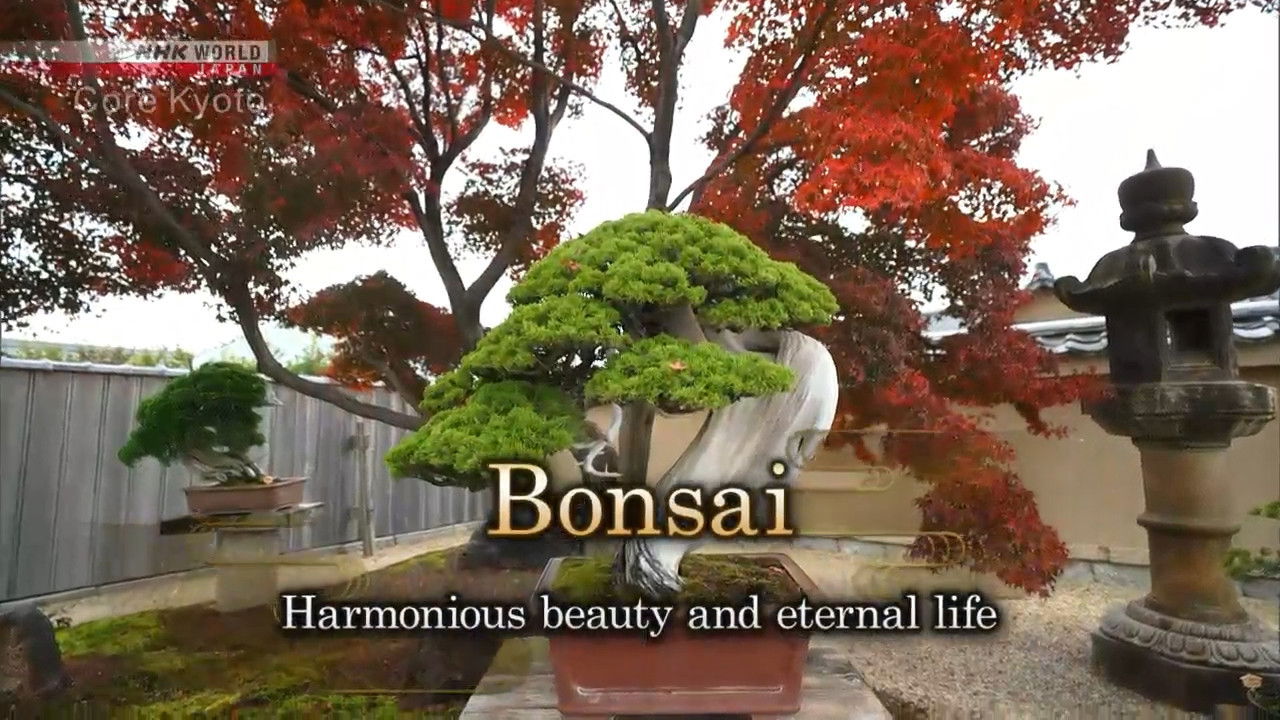
Bonsai came from China over 1000 years ago, evolving into a unique artform. In Kyoto, the emphasis is on beauty and harmony in space, the same aesthetic that flows through ikebana and the Way of Tea.
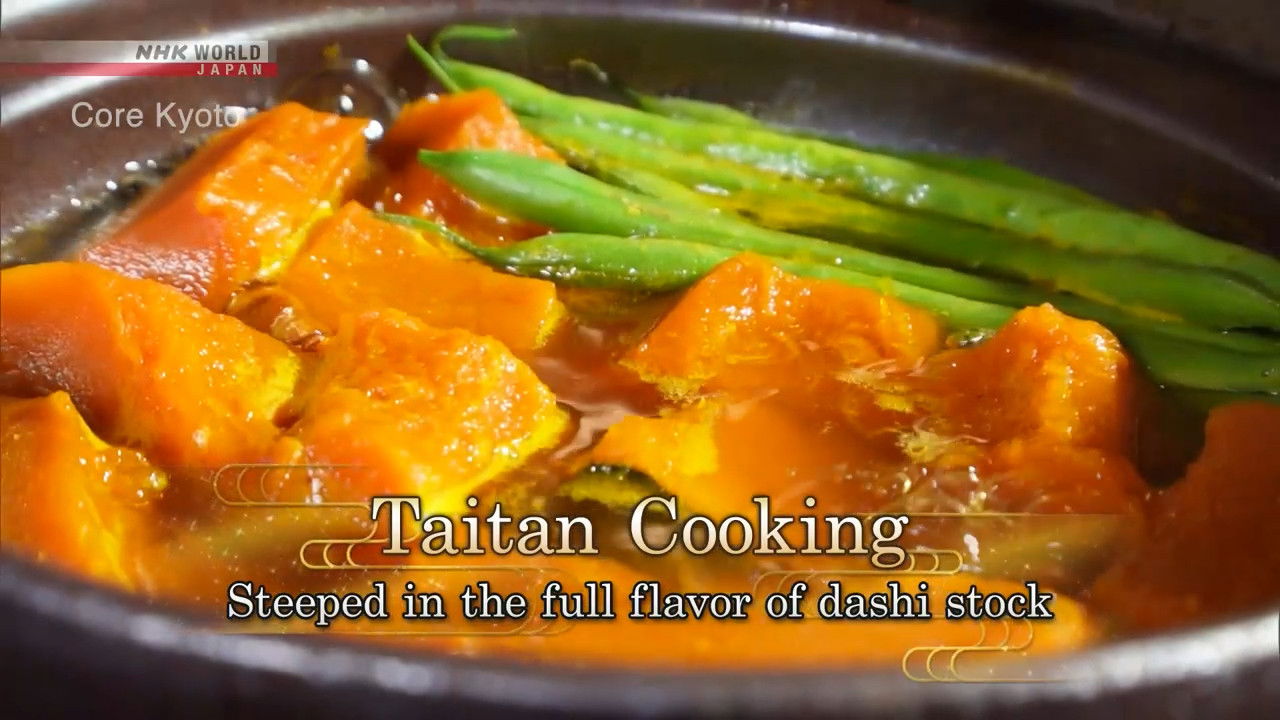
Taitan is Kyoto-style cuisine in which seasonal heritage vegetables are simmered until they are infused with dashi stock. The method evolved from vegetarian dishes made at Kyoto's Buddhist temples.
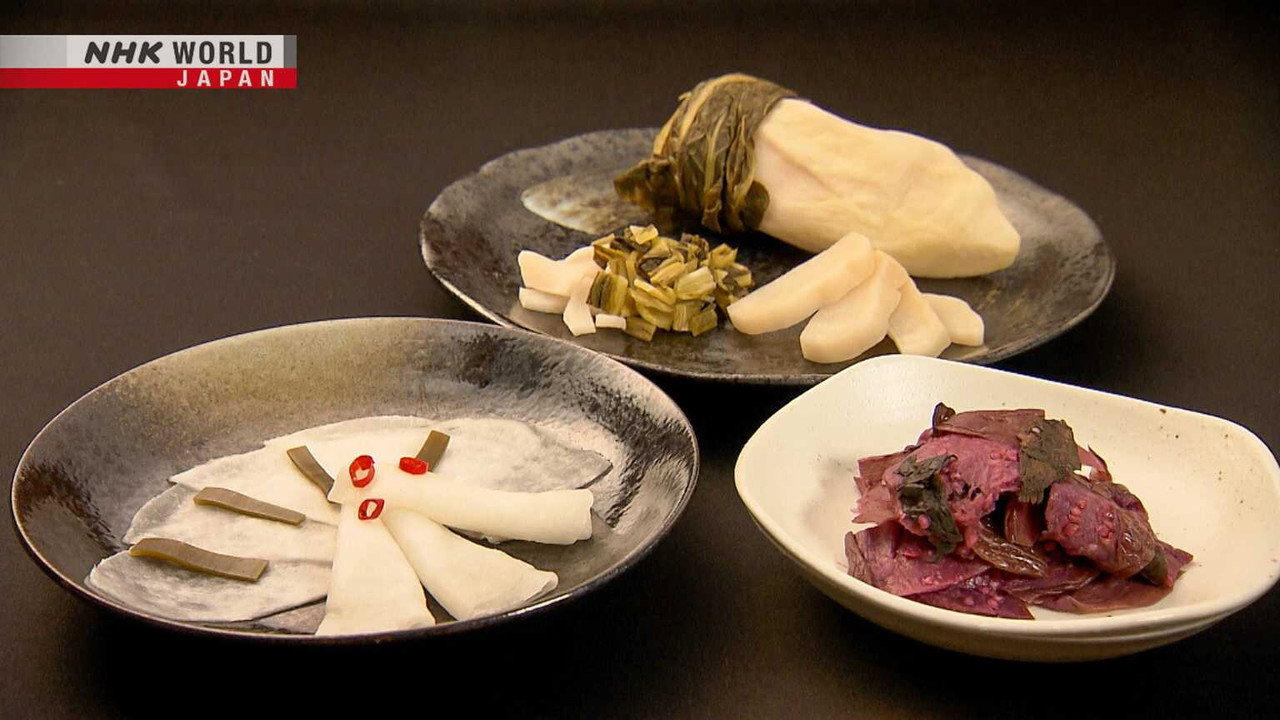
Traditional Tsukemono, or pickles, preserve centuries of wisdom, allowing the vegetables' inherent flavors to shine. Picklers uphold tradition while embracing new challenges for modern tastes.
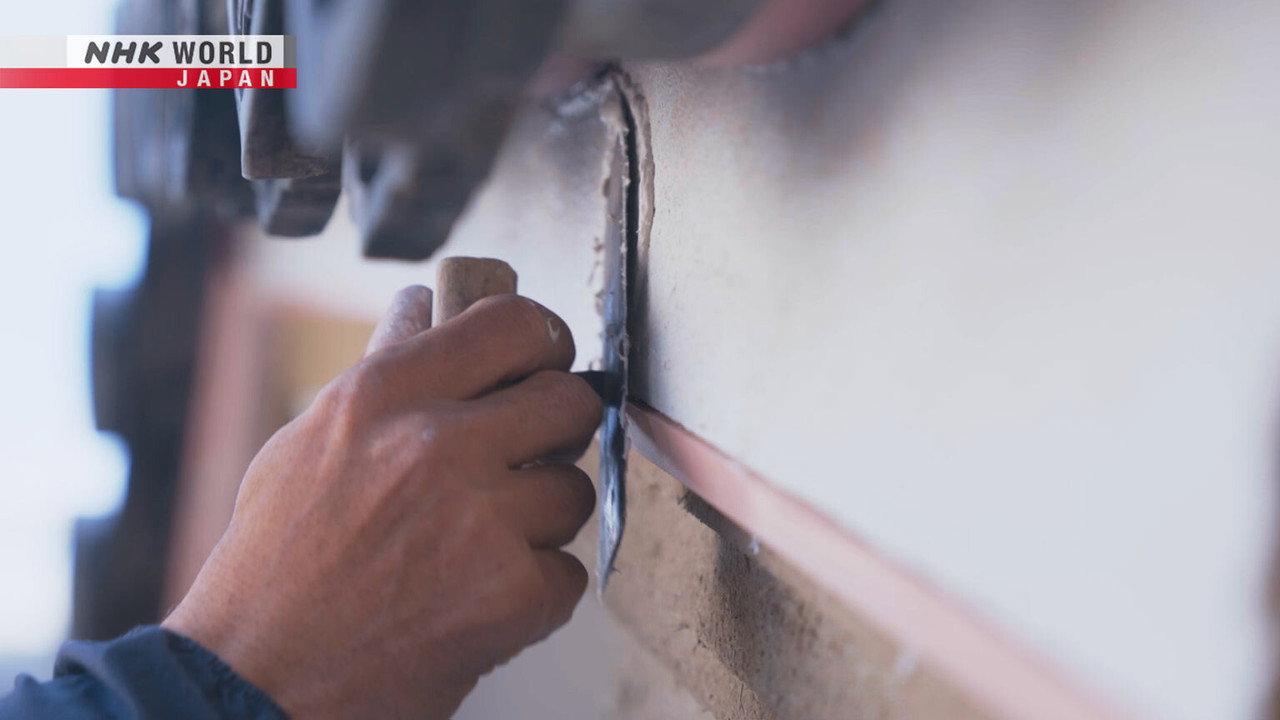
Specialists rebuild a sturdy, mud-walled storehouse to safeguard cultural assets, scientifically examine plastering techniques, and strive to incorporate wattle and daub walls into modern structures.
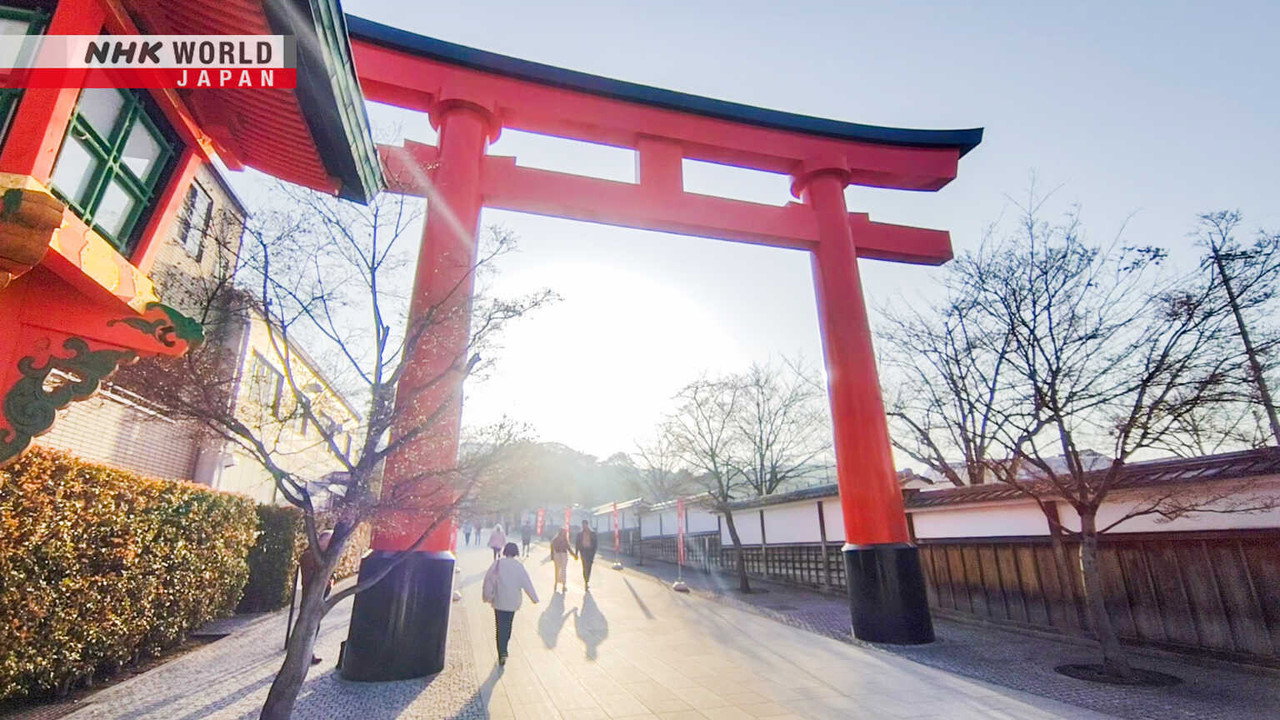
Kyoto is implementing measures to ease congestion at peak hours and combat over-tourism. One way encourages visitors to discover the city's true charm in the early morning, before the crowds arrive.
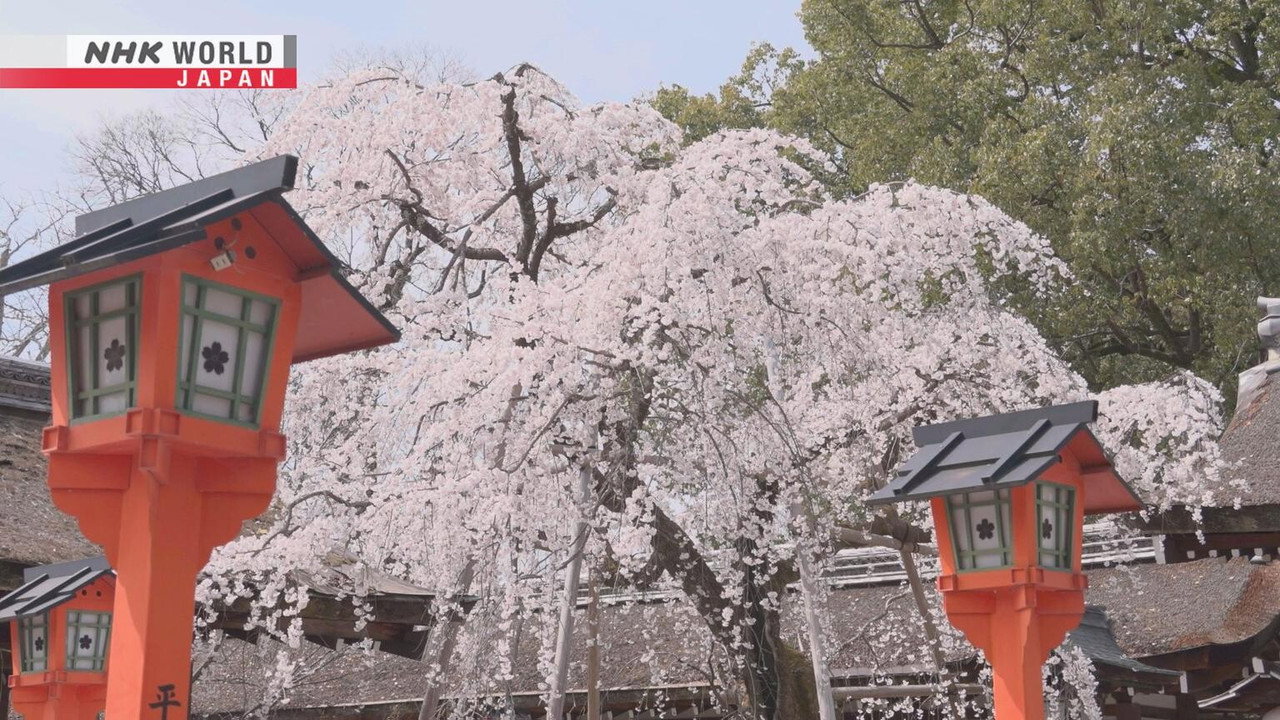
Tales of Kyoto's cherry blossoms have survived centuries. These stories are reframed by every generation. Through them, people appreciate the importance of living with nature and the joy of spring.
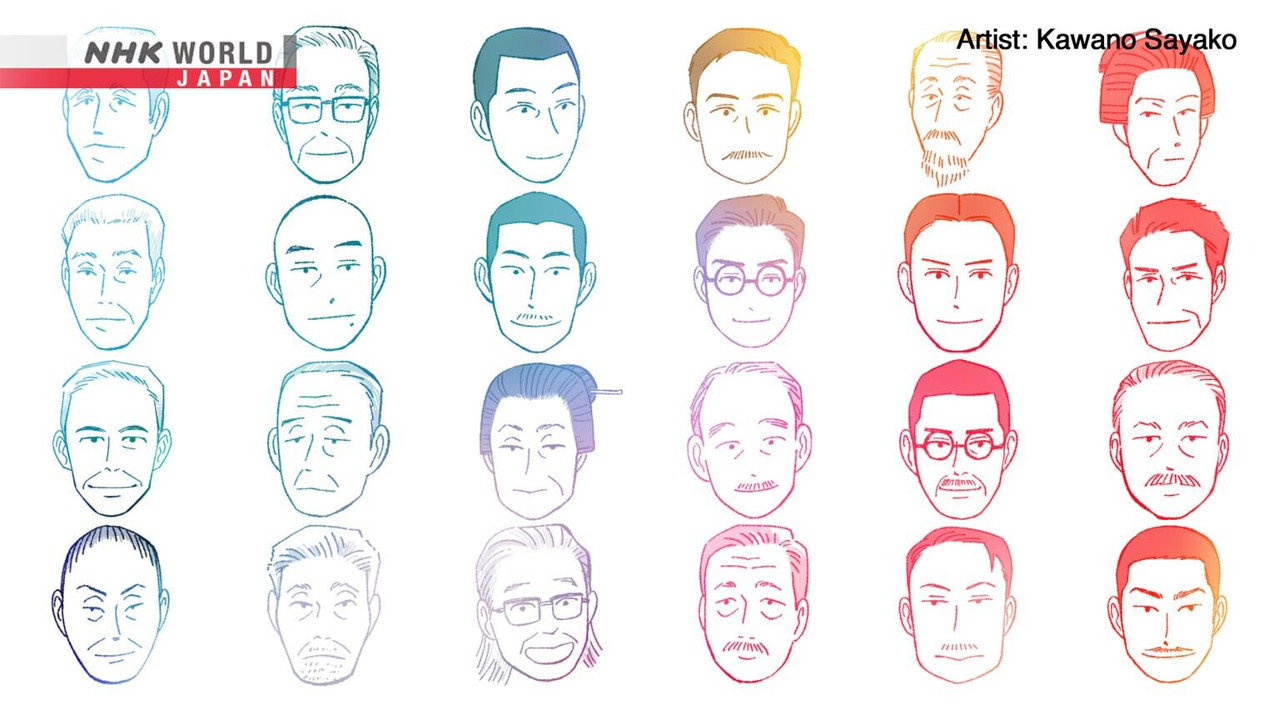
A lineage of modern artists preserves and evolves Nihonga traditions, using the techniques as the foundation of their work. Convention and avant-garde, past and present resonate throughout their art.