This product uses TMDB and the TMDB APIs but is not endorsed, certified, or otherwise approved by TMDB.
This product uses TMDB and the TMDB APIs but is not endorsed, certified, or otherwise approved by TMDB.

As America was transformed by the arrival of millions of immigrants in the 1890s, the first generation of American filmmakers joined with other innovators and entrepreneurs to create a bright new entertainment form that would transform the world. Thomas Edison perfected a device called the Kinetoscope that made pictures move, for one viewer at a time. In France, the brothers Auguste and Louis Lumière brought scenes of everyday life to the screen for a large audience, while the magician Georges Méliès created startling visual effects on film and Alice Guy Blaché became the first female film director. In the U.S., moviemaking in these early days was concentrated in New York, New Jersey and Chicago.
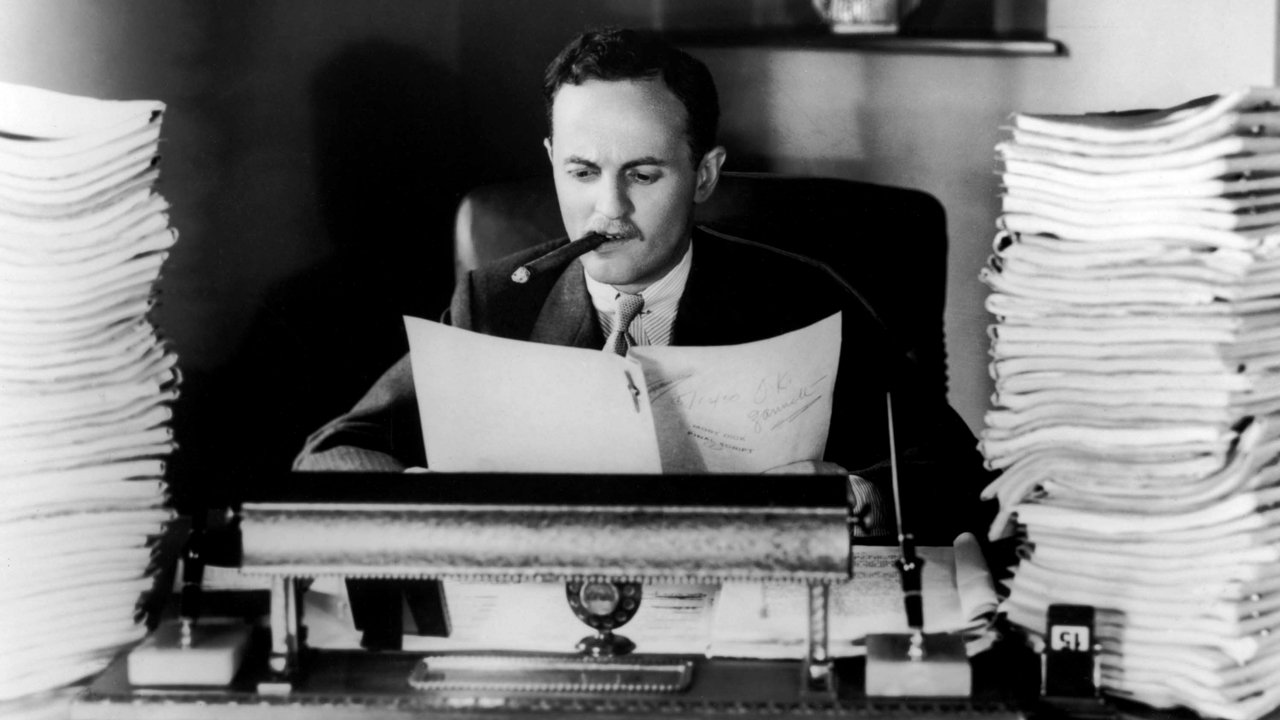
California was quickly recognized as the ideal setting for the American film industry, with its relative freedom from patent problems, constant sunshine and varied geography. As early as 1909, moviemakers were hard at work in Hollywood, including William Selig, who had founded one of the country's first movie studios in Chicago. In 1913 Jesse Lasky, Samuel Goldwyn and Cecil B. DeMille formed a filmmaking company and established themselves among the first generation of Hollywood moguls, producing one of the first feature-length films in the U.S., The Squaw Man (1914).

The Hollywood studio system flowered in the 1920s, headed by strong-willed leaders -- most of them immigrants and small-time entrepreneurs and many of them Jewish. Each studio had its own house style. MGM, headed by Russian-born Louis B. Mayer with Irving Thalberg as his "boy wonder" production head, was super-glossy. Warner Bros., eventually to be led by brother Jack, provided grit, while Paramount, headed by Hungarian-born Adolph Zukor, lent glamour. Laemmle's Universal Pictures produced lavish spectacles and a series of fantastic dramas starring Lon Chaney. The movies' influence grew more powerful, affecting real life in terms of fashion, attitudes and behavior.

The movies broke their silence in 1927, as Warner Bros. introduced the first major synchronized sound film, The Jazz Singer. Stage-trained actors were suddenly in demand, and among those to break though in the early sound era were James Cagney, Bette Davis, Clark Gable, Katharine Hepburn and Edward G. Robinson. For the most part, the movies were able to ride the storm of the Great Depression, as crowds flocked to escapist Astaire/Ginger Rogers musicals. Most of the moguls toughed out the hard times, though some tumbled.

When the U.S. entered World War II, movies became a powerful means of promoting patriotism, not only through overt propaganda but through films that rallied support while also entertaining. Some directors of the era, including Howard Hawks and Raoul Walsh, were as hard-bitten as their subject matter, while such filmmakers as Billy Wilder and Preston Sturges added an edge of humor and Orson Welles created his masterpiece, Citizen Kane (1941). Directors such as George Stevens, John Ford and John Huston saw combat first-hand and created powerful documentaries, as did Frank Capra. When the war finally ended, producer Samuel Goldwyn and director William Wyler summed up the country's uncertain optimism with The Best Years of Our Lives (1946). A darker tone was conveyed by the shadowy world of film noir and the examination of such topics as anti-Semitism (Gentleman's Agreement, 1947) and racism (Home of the Brave, 1949).
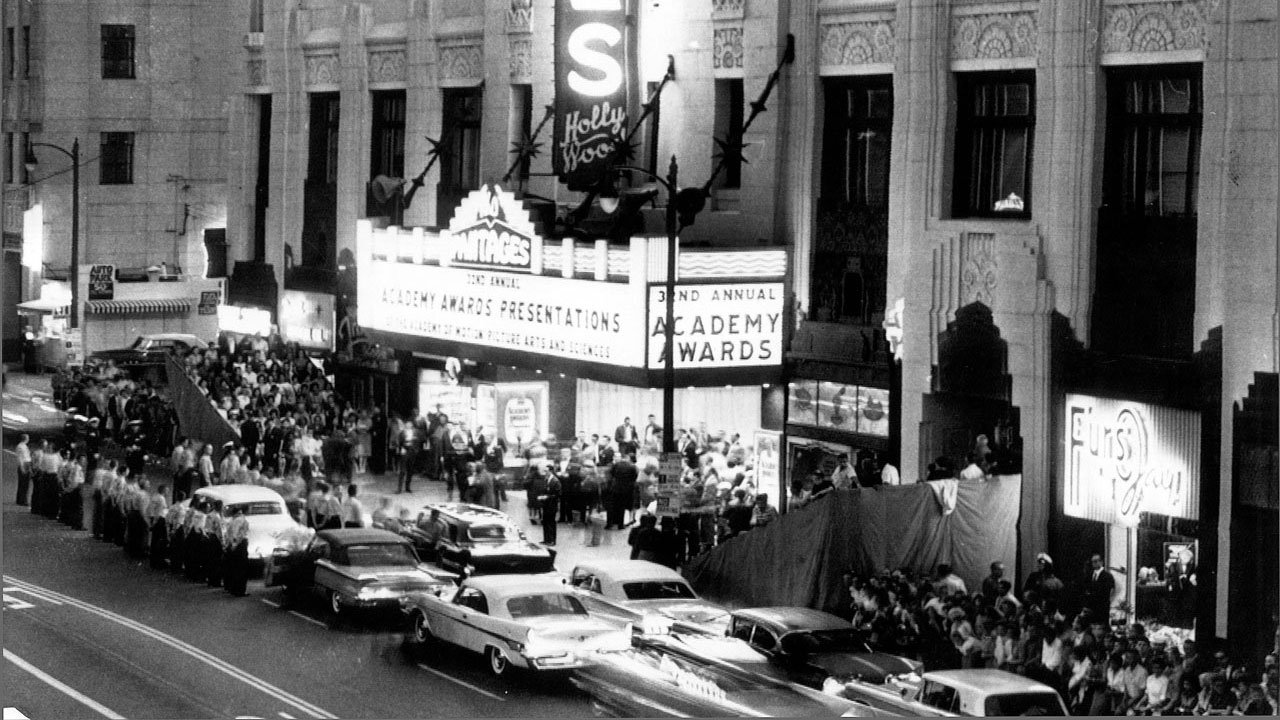
During the 1950s, with the nation enjoying a new prosperity and television providing fierce competition, the reign of the old moguls began a long decline. The movies needed new ideas that went beyond 3-D, widescreen processes and stereophonic sound. Dore Schary became the new production head at MGM, and by 1951 L. B. Mayer was forced out of his own company. At Warner Bros., a hot new director named Elia Kazan brought earthy realism to the screen with such films as A Streetcar Named Desire (1951) and On the Waterfront (1954). An ominous atmosphere was created by the anti-Communist blacklist, poisoning a tough business where reputation was everything. In 1958 Stanley Kramer produced and directed The Defiant Ones, which gave Sidney Poitier above the-title billing and created the first African-American superstar.

In the 1960s America was in the midst of the most jarring political and social upheaval in decades. Without the old Hollywood structure, as studios were bought, sold and reconfigured, moviemakers searched for new ways to survive and prosper. The grand movie palaces were being replaced by multiplexes, and television was here to stay. In this shifting landscape, the power of the moguls was usurped by super-agent Lew Wasserman, whose aggressive business strategies turned MCA into a powerhouse that absorbed Universal Pictures in 1962. Old-style entertainments such as The Sound of Music (1965) and the James Bond adventures still prospered, but low-budget productions for a younger audience -- such as the works of Roger Corman -- gained importance. Movies would never again be quite the same.