This product uses TMDB and the TMDB APIs but is not endorsed, certified, or otherwise approved by TMDB.
This product uses TMDB and the TMDB APIs but is not endorsed, certified, or otherwise approved by TMDB.

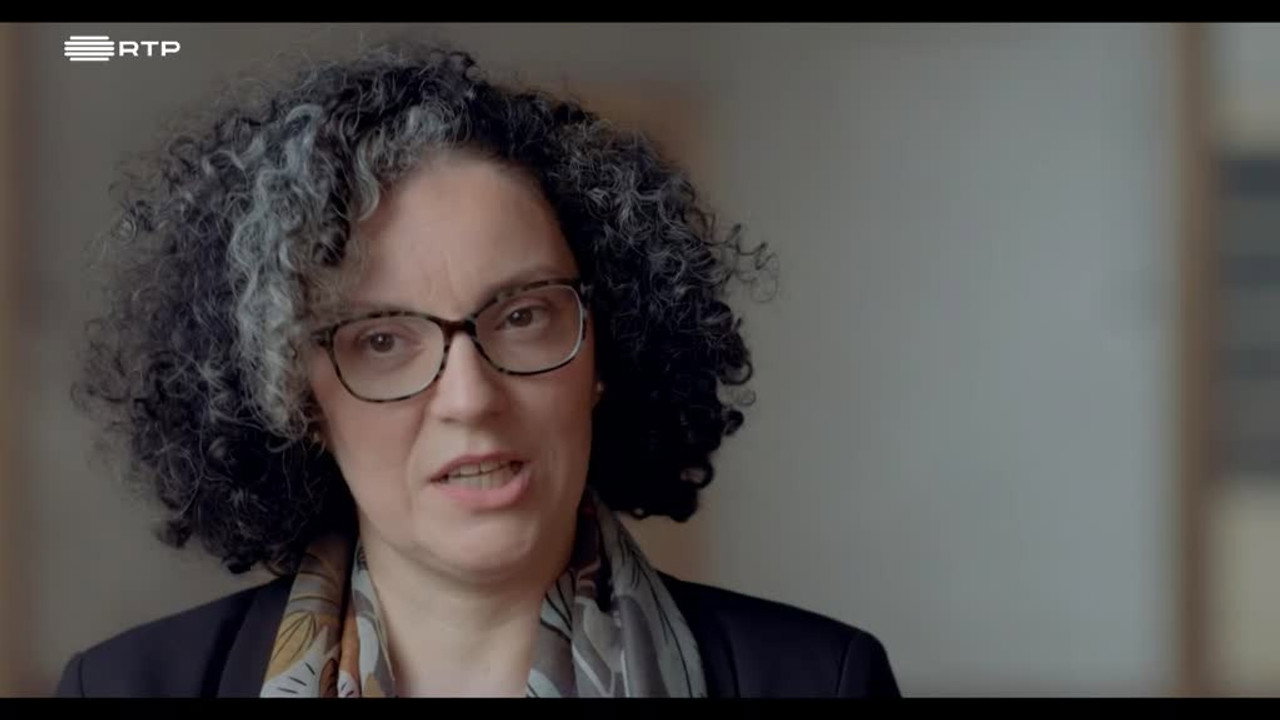
How has education transformed Portugal over the past 50 years? This documentary explores the country's remarkable progress since the 25 April 1974 Revolution, from widespread illiteracy and limited access to education to a system open to all. It highlights the expansion of higher education, rising qualifications, and the growing participation of women, who have outnumbered men in higher education since the 1980s. Despite these achievements, major challenges remain, including unequal opportunities, low wages for highly qualified workers, the emigration of young talent, and a growing shortage of teachers. Through expert insights, the film examines how education has shaped modern Portugal and the challenges it must overcome to secure its future.
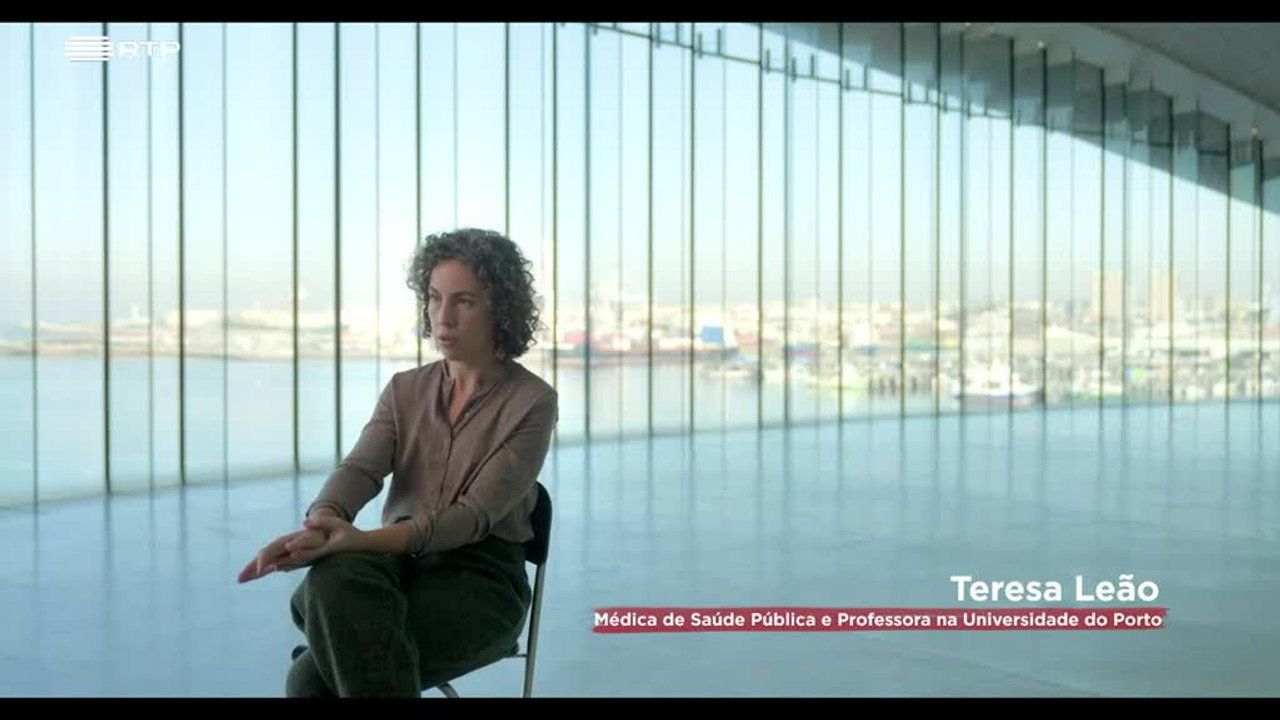
How has life expectancy in Portugal increased so dramatically over the past 50 years? This documentary explores the social and economic changes that transformed the country's health, from improved living conditions and sanitation to the creation of the National Health Service (SNS) in 1979 and Portugal's entry into the European Economic Community in 1986. These advances contributed to a sharp decline in infant mortality and major improvements in public health. However, significant challenges remain. Cardiovascular disease is still the leading cause of death, while physical inactivity, poor mental health, and high antidepressant use continue to affect the population. Through expert analysis, the film examines Portugal's health achievements and the measures needed to improve quality of life in the decades ahead.
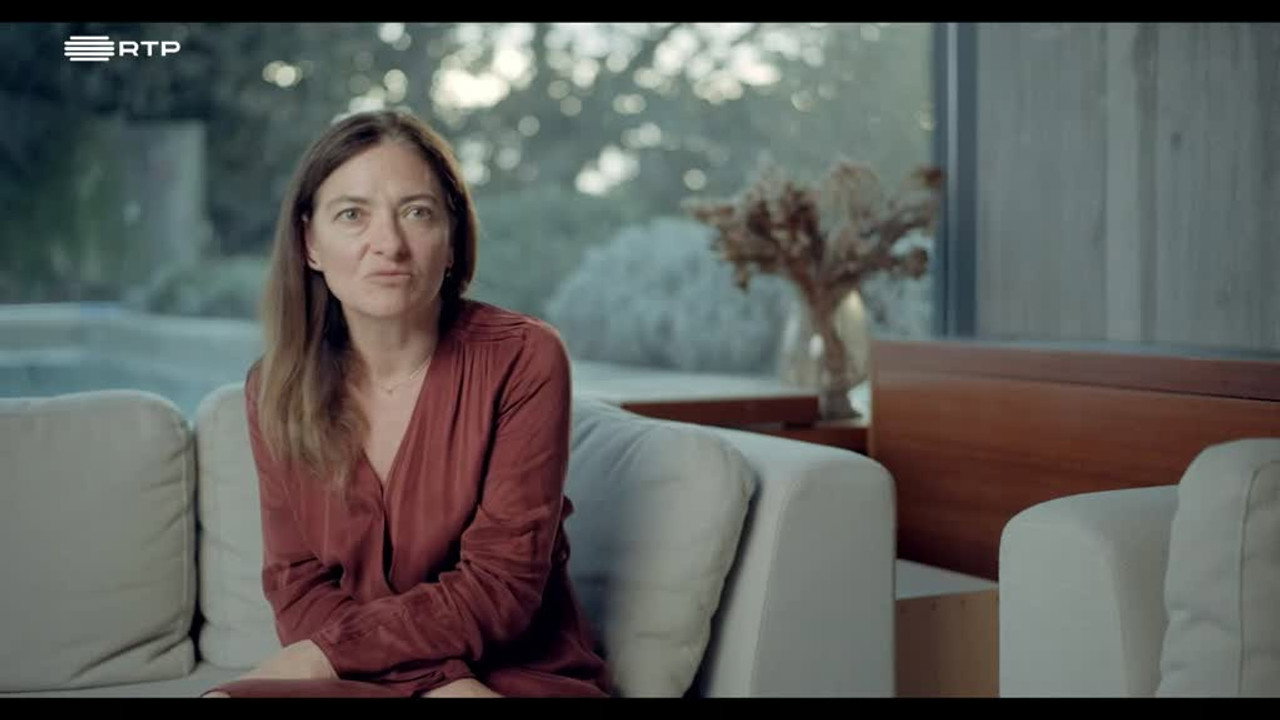
How have Portuguese families changed over the past 50 years? This documentary explores the transformation of family life since the 25 April 1974 Revolution. Large, traditional households with rigid gender roles have given way to smaller, more diverse, and more equal families. Scientific advances, including widespread access to contraception and family planning, gave women greater control over their lives and helped reshape society. The film also examines the rise of cohabitation, higher divorce rates, single-parent and blended families, and the recognition of same-sex marriage and adoption rights. Through expert analysis, it reveals how changing social values, greater personal freedoms, and evolving family structures have redefined family life in modern Portugal.
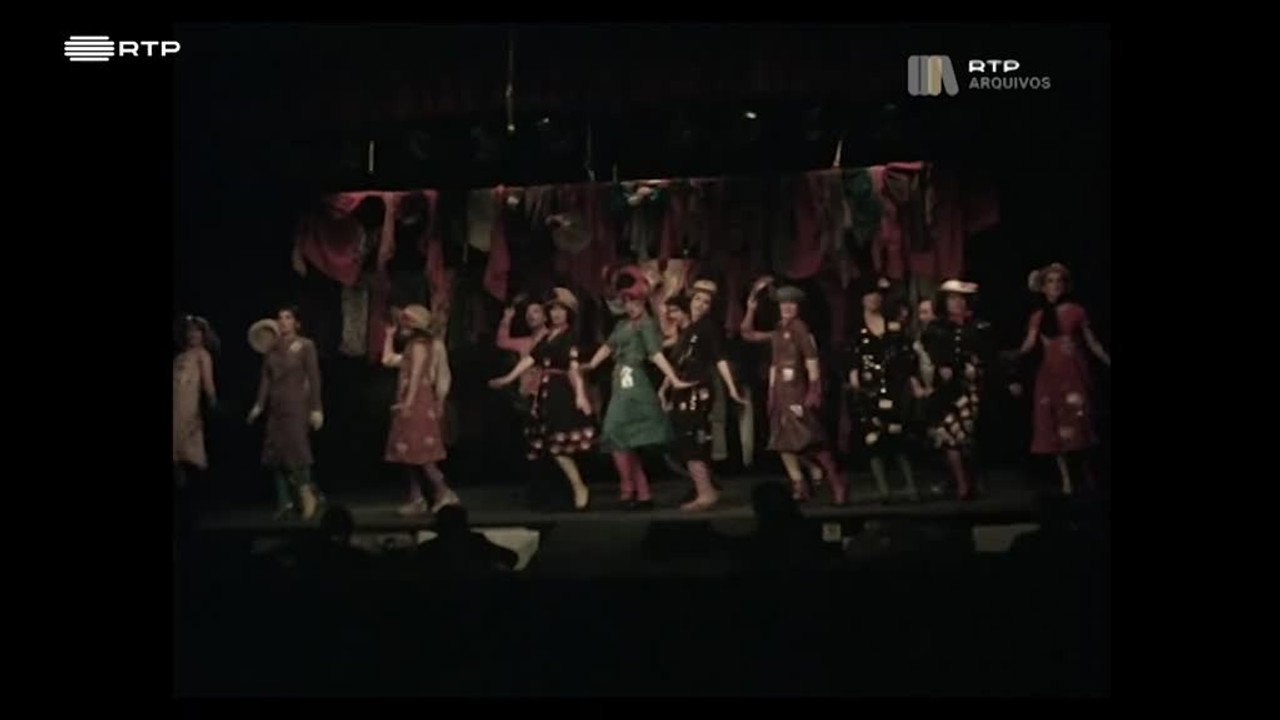
How has culture evolved in Portugal over the past 50 years? This documentary explores the profound cultural transformation that followed the 25 April 1974 Revolution. With the end of censorship, Portugal opened itself to new books, films, music, and artistic expression. From the rise of Portuguese rock and pop to the revival of fado, the growth of theatre, major festivals, and landmark events such as Expo '98, cultural life became more diverse and accessible. The film also examines how private television, streaming platforms, social media, and algorithm-driven content have reshaped the way people create and consume culture. Looking ahead, it asks what role culture and shared experiences will play in an increasingly digital world.