
This product uses TMDB and the TMDB APIs but is not endorsed, certified, or otherwise approved by TMDB.
This product uses TMDB and the TMDB APIs but is not endorsed, certified, or otherwise approved by TMDB.

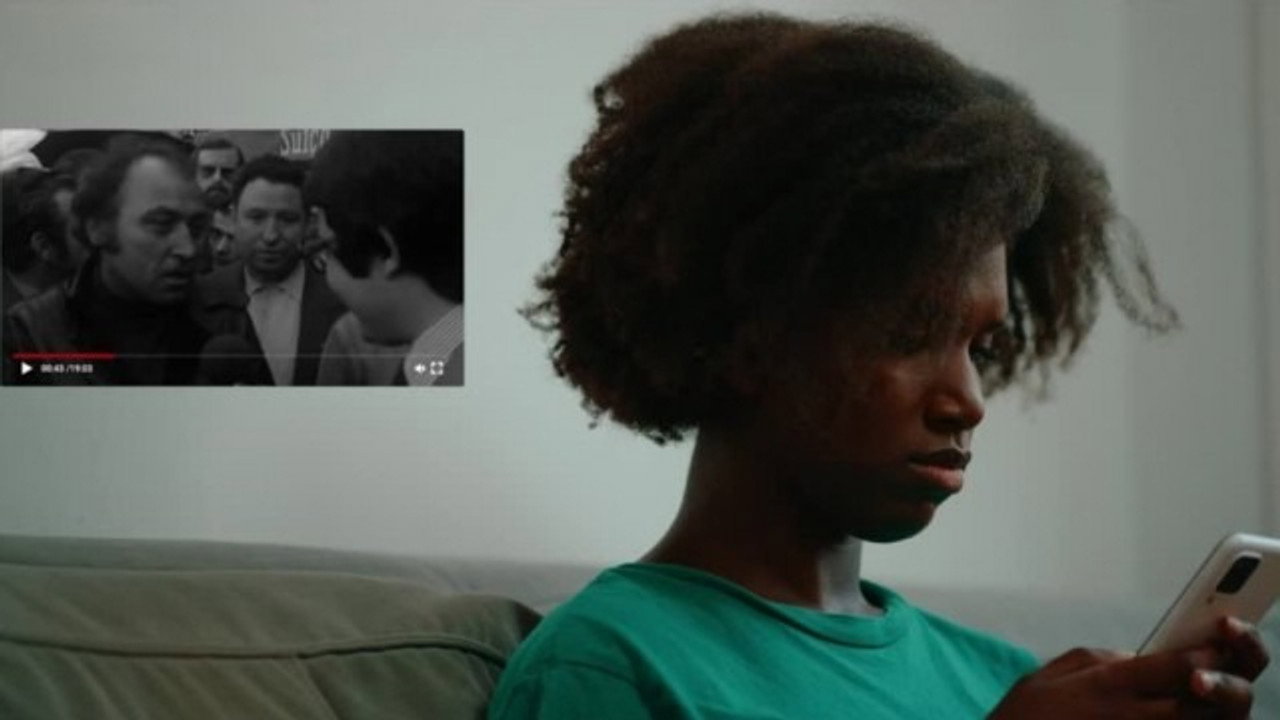
Voting is more than casting a ballot—it is the exercise of a hard-won democratic right. This documentary explores the evolution of Portuguese democracy since the 25 April 1974 Revolution, featuring reflections from Capicua, Ricardo Araújo Pereira, and leading historians, political scientists, and public figures. It highlights major achievements, including the end of censorship, expanded civil rights, and Portugal's accession to the European Union, while examining how democracy overcame political crises such as the PREC. It also addresses today's challenges, including political distrust, rising voter abstention, populism, and low civic participation. Looking back on fifty years of democracy, the film asks whether Portugal's democratic system is facing a crisis and what can be done to strengthen it for future generations.

Women in Portugal once faced severe legal and social restrictions, unable to vote on equal terms, pursue many professions, or make key decisions without their husband's consent. The 25 April 1974 Revolution marked a turning point, expanding women's rights and opportunities in education, politics, and the workplace. This documentary examines the progress made over the past five decades while highlighting the challenges that remain, including the gender pay gap, unequal representation in leadership, and the unequal distribution of unpaid care work. Through the testimonies of women and men who have championed gender equality, it explores the achievements, ongoing struggles, and the steps still needed to build a more equal society.
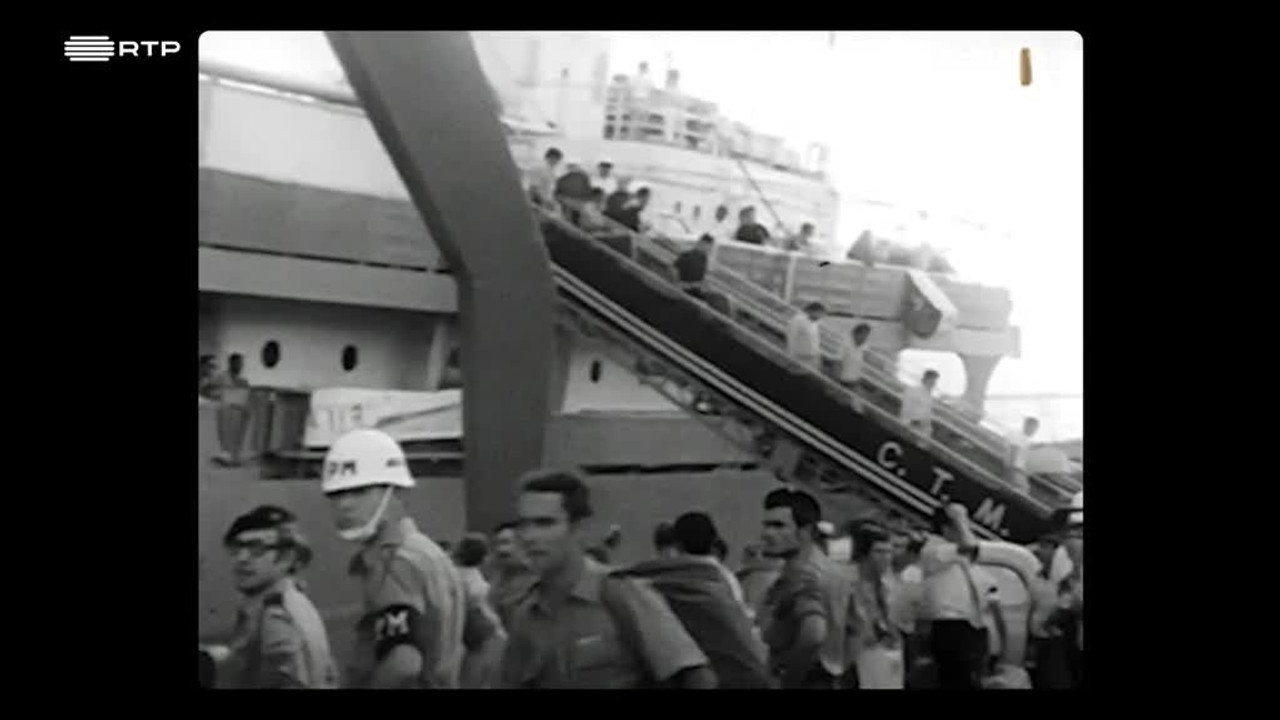
How did Portugal reach a population of ten million? This documentary explores the major demographic changes that have reshaped the country since the 25 April 1974 Revolution. Over the past five decades, Portugal has become an older society, with longer life expectancy, lower birth rates, and later parenthood. Once primarily a nation of emigrants, it has also become a destination for immigrants, particularly since decolonisation. Despite losing population in recent years, migration has played a key role in shaping the country's demographic profile. Through the insights of experts in demography, sociology, and geography, the film examines how births, deaths, emigration, and immigration have transformed Portugal and what the future may hold.
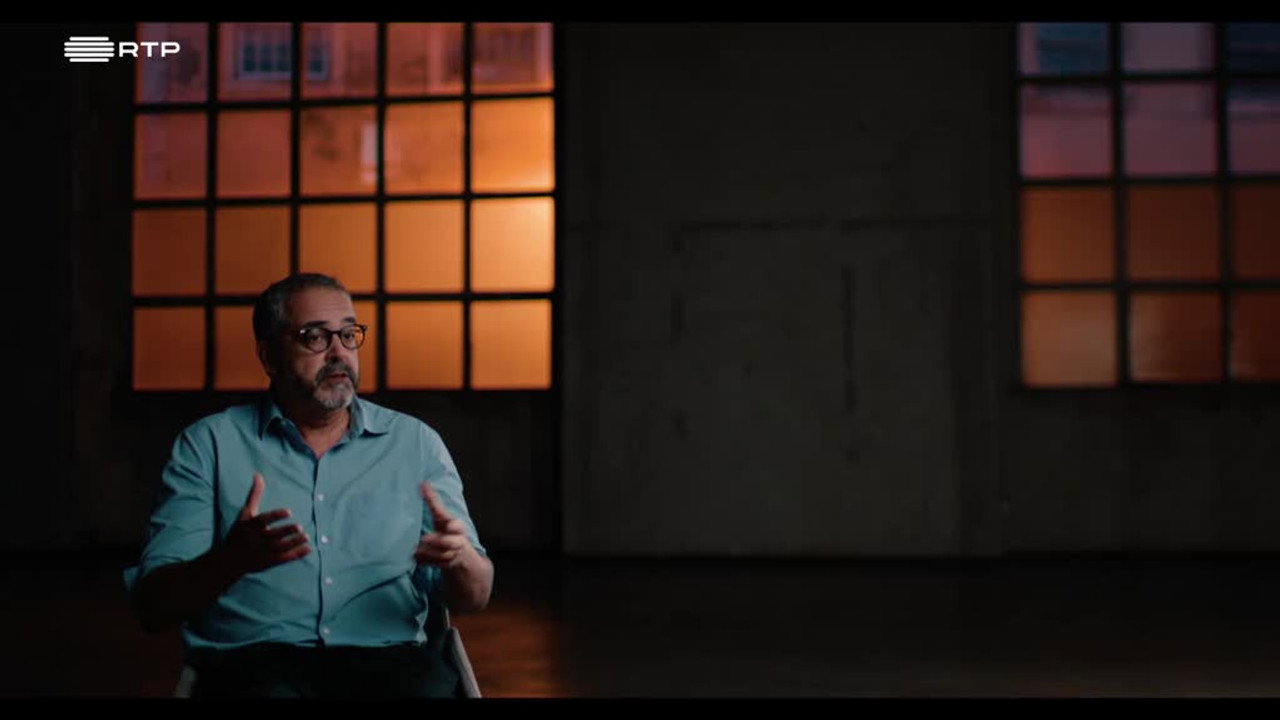
How has Portugal's economy evolved since the 25 April 1974 Revolution? This documentary traces the country's economic transformation over the past five decades, from a largely protected and underdeveloped economy to a modern member of the European Union. It explores the impact of industrialisation, European integration, infrastructure investment, and rising living standards, while also examining persistent challenges such as low productivity, regional inequalities, housing affordability, and economic vulnerability. Through the perspectives of economists, historians, journalists, and business leaders, the film reflects on Portugal's economic achievements and the reforms needed to ensure sustainable growth in the future.