This product uses TMDB and the TMDB APIs but is not endorsed, certified, or otherwise approved by TMDB.
This product uses TMDB and the TMDB APIs but is not endorsed, certified, or otherwise approved by TMDB.
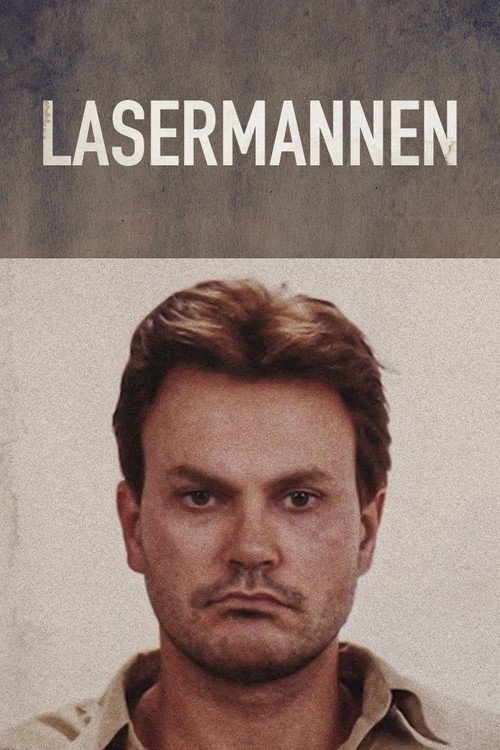
It began with a small red dot and a number of brutal shootings that filled early-1990s Sweden with fear. In four episodes, André Pops and Lasse Lampers depict the year when eleven people became victims in a series of racially motivated attacks—giving rise to one of Sweden’s most notorious criminal names—Lasermannen (“the Laser Man”).
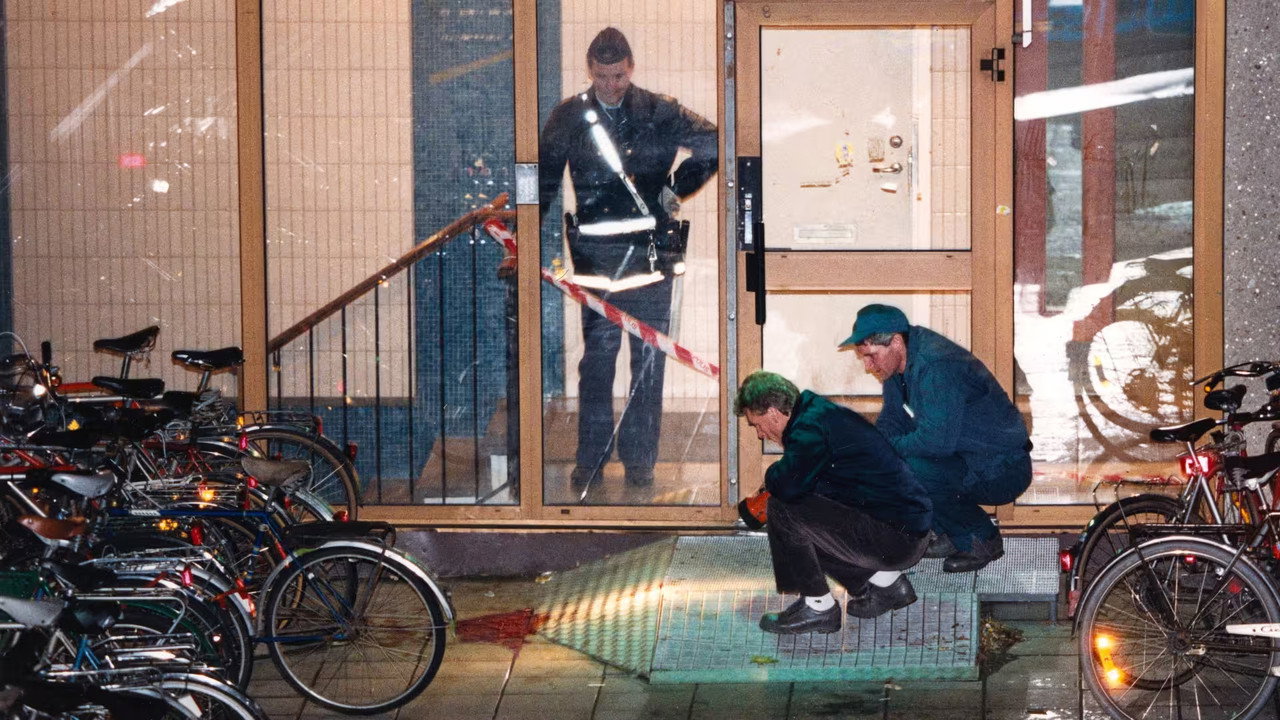
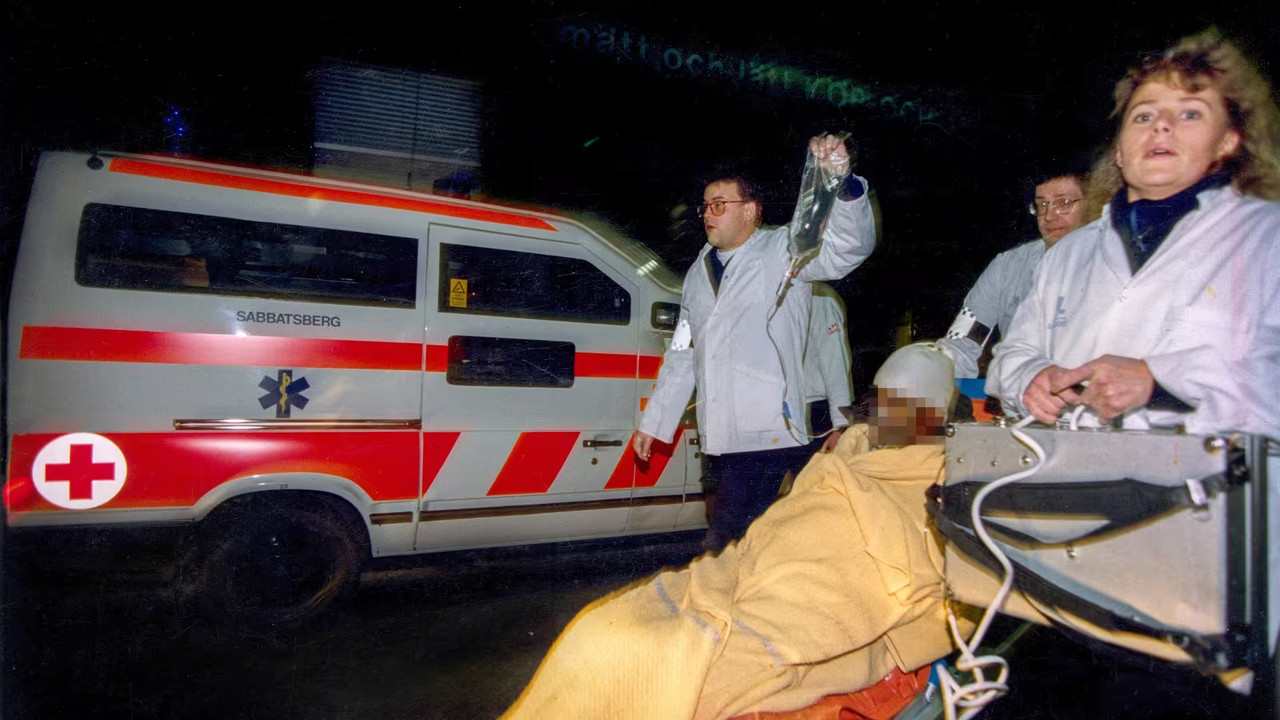
Despite the fact that four people, all with a foreign background, were shot and seriously injured during the autumn of 1991, the attacks have not received much attention in the media. But that is about to change on the evening of November 8, when Lasermannen strikes with what is, until then, his most brutal act. André Pops and Lasse Lampers portray the dramatic year when eleven people became victims in a series of racially motivated attacks.
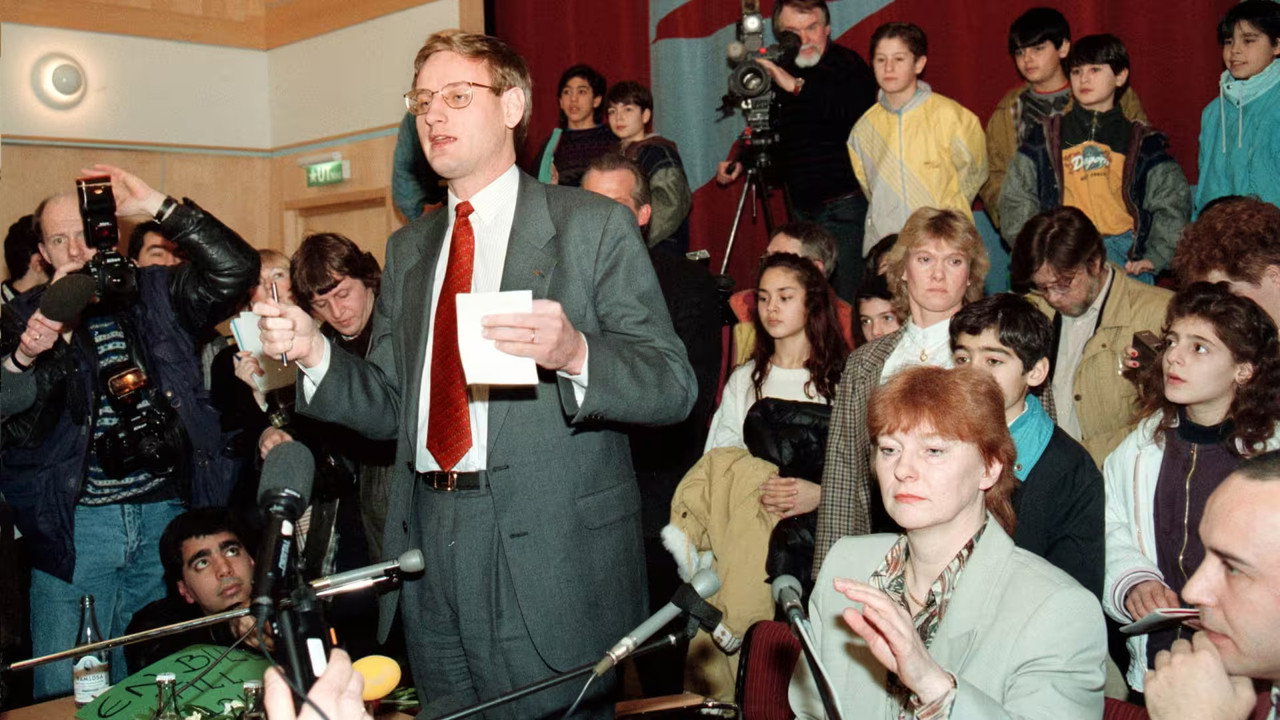
After a murder and four attempted murders in the autumn of 1991, the police are left stomping about without any trace of the suspected Lasermannen. At the same time, concern among immigrants in Sweden grows as demands intensify that politicians should take a firm hand against the wave of violence, racism, and xenophobia. Then, all of a sudden, another series of ruthless shootings begins.
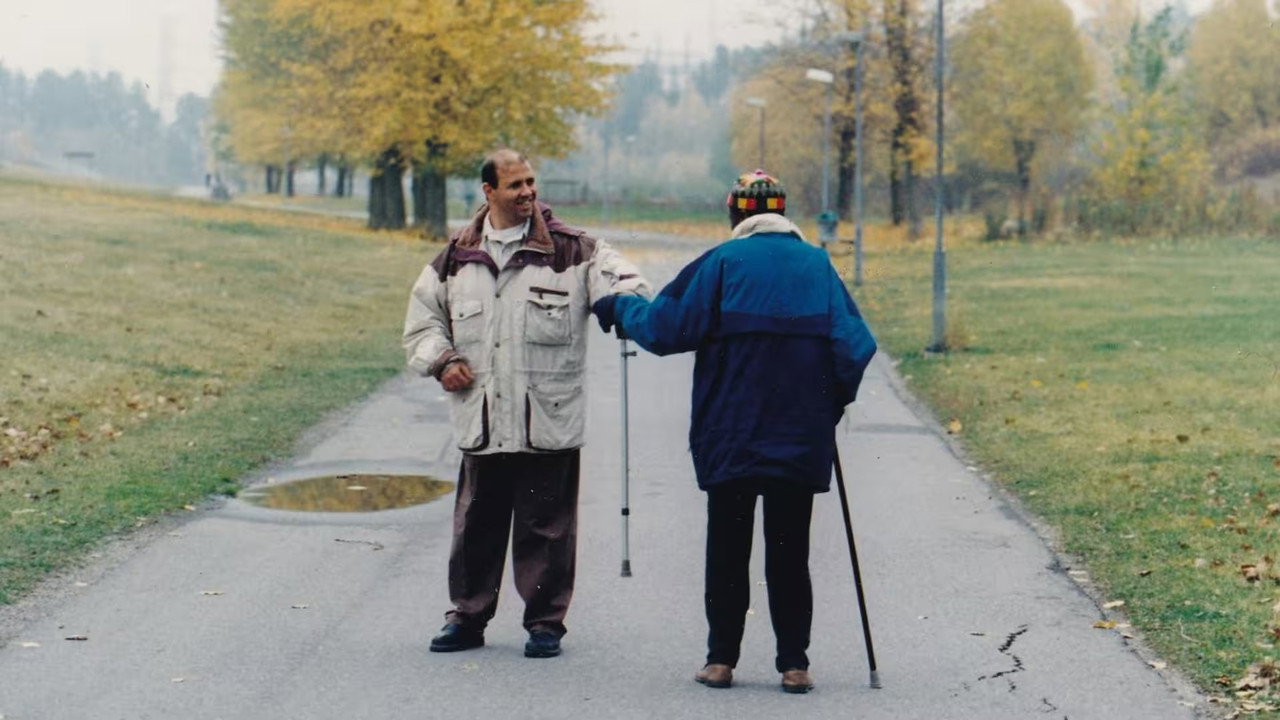
Lasermannen was arrested and sentenced to life imprisonment, a sentence he is still serving. He left behind a multitude of ruined human lives, but also many people who were determined to reclaim what they had lost. One of them is Mustafa, who was six years old when his father was shot and left permanently injured by Ausonius. Today, Mustafa tours with his own theatre production, “Who Was My Father?”